Our River Stour
Our River Stour
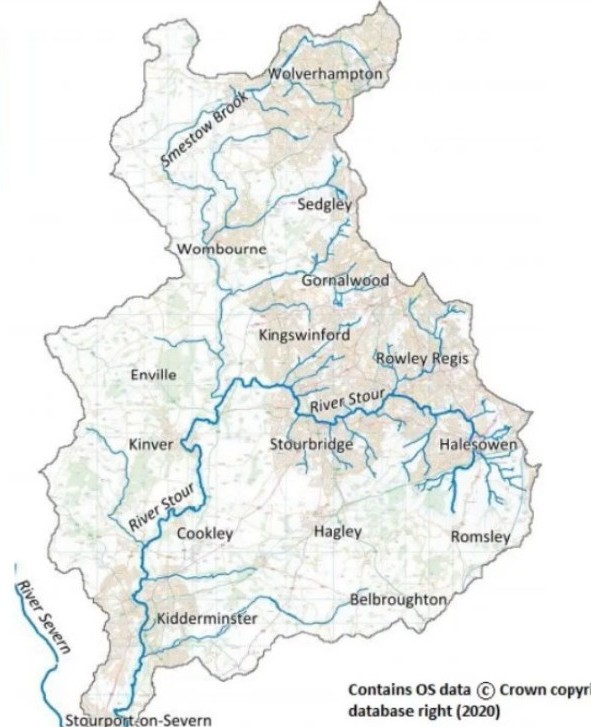
The River Stour rises in the north of Worcestershire in the Clent Hills, near St Kenelm’s Church in Romsley. It collects water from many small tributary streams on its way through Halesowen and Stourbridge towards Kinver. Its major tributary the Smestow Brook, sometimes called the River Smestow, rises in the north of Wolverhampton, draining Wolverhampton, South Staffordshire, and parts of Dudley. The rivers join just north of Kinver, at the aqueduct where the Staffordshire and Worcestershire canal crosses the River Stour. The enlarged Stour then wends its way through Kinver and Kidderminster, joining the Severn at Stourport.
Both streams helped power the industrial revolution, with mills and forges along their way, as well as serving for dirty water disposal. Weirs and dams prevented free movement of salmon and other fish. While water quality has improved, there is still some way to go to achieve good ecological status.
Many local people would like to improve the ecological and amenity quality of the Stour and its environs, and we aim to work with them to maximise our joint impacts.
The Love Your River Stour project (https://www.bbcwildlife.org.uk/LoveYourRiverStour) aims to improve the condition of the River Stour, its tributaries (including the Smestow brook) and the adjacent surrounding habitat to create a corridor for wildlife to thrive through the heart of the Black Country. They have done some great work in the Wombourne. The Salmon in the Stour project was set up to improve habitats, including removal of obstacles for fish migration- a fish bypass has been installed recently at Stourton Castle weir.
The ‘Bringing the Stour to Life’ project aims to help local people enjoy the Stour, by developing a route along it, and by recruiting people to monitor sections of the river and report back. Contact ColMaltby@hotmail.com.
Natural flood management is also high on the agenda, in terms of locating areas that can be allowed to flood during high flow events, to store excess water, which can be slowly released when flows subside. These wetland areas are important for wildlife and a good example is Puxton Marsh/Stourvale Nature Reserve just North of Kidderminster. Severn Trent work with local groups on ‘Outfall Safaris’, spotting places where pollution is draining direct into rivers, for example due to misconnections. The list keeps growing…
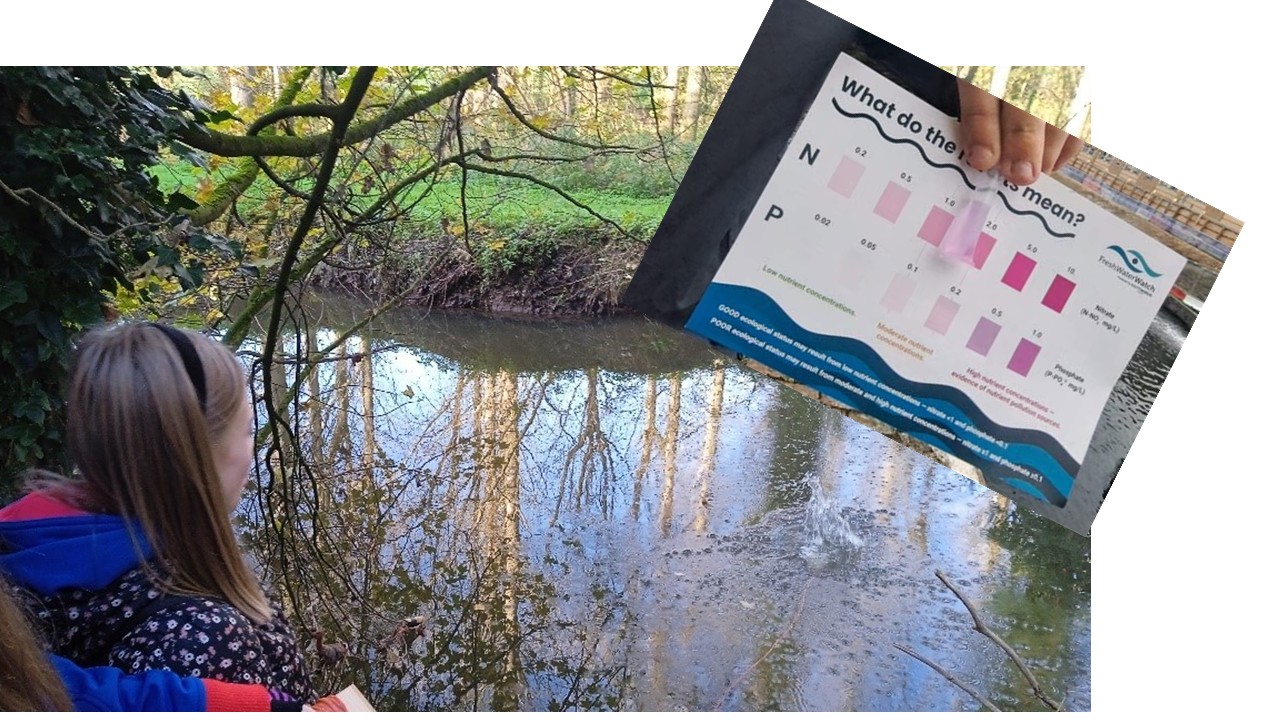
Nationally, the Great UK Water Blitz (https://earthwatch.org.uk/greatukwaterblitz/ ) is a citizen science project to sample our waters every 6 months, creating a continuing picture of water quality trends, and supporting pressure to encourage further improvements. Our volunteers participate in that and it’s shown that there’s plenty of room for improvement in our rivers!
If you are interested in joining us to monitor and improve the river, please get in touch.